
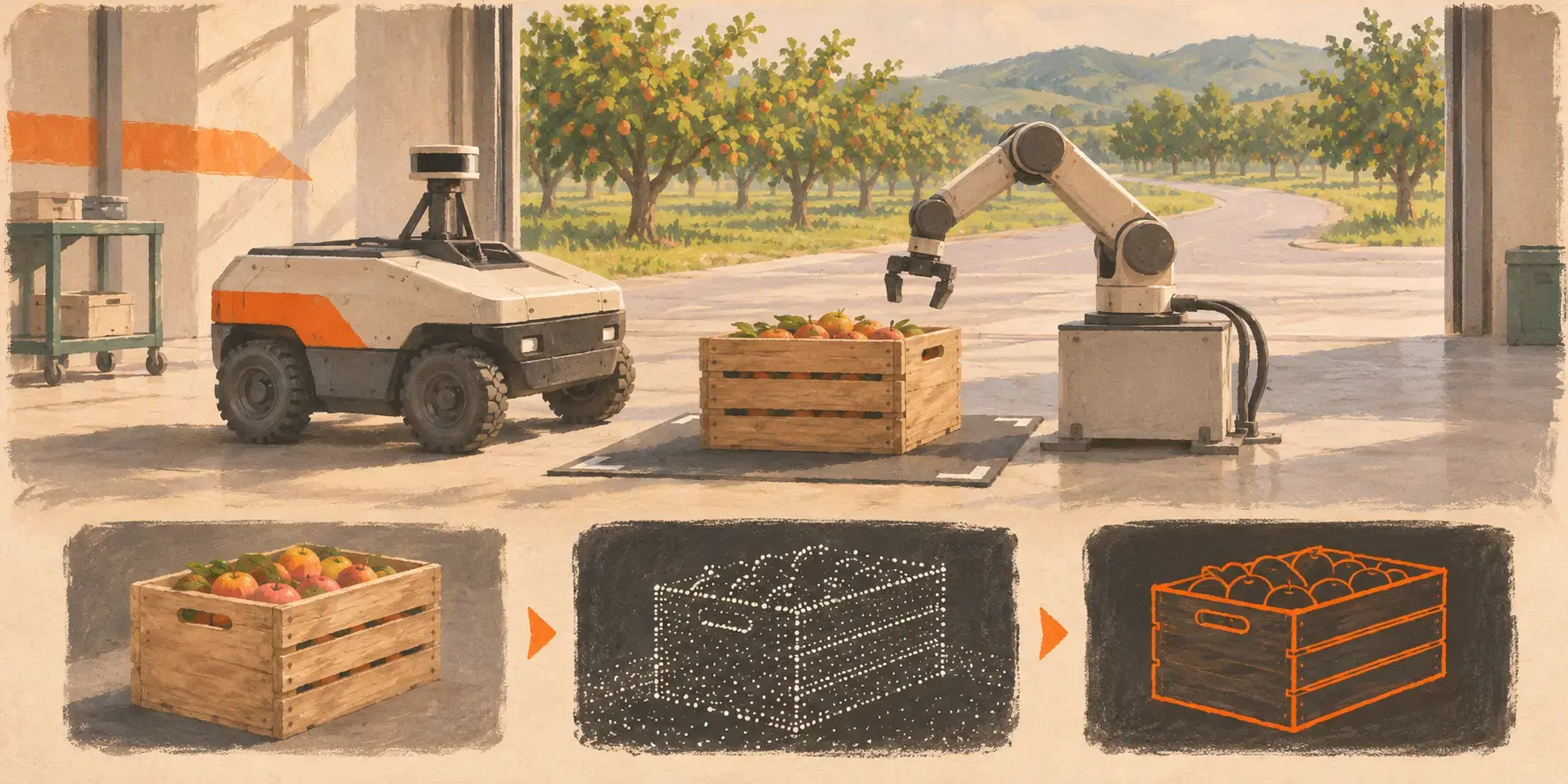
From robot recordings to reviewed training data.
Scope labeling or collection around your sensors, tasks and acceptance criteria. Review the required signals and export format before expanding a program.Robotics
Fleet Learning Infrastructure for Physical AI
Observe your fleet, check sensor calibration, and review camera and LiDAR recordings in 4D. Use model-assisted labeling and held-out evaluations to test changes. You train the model and decide when it ships.
Built for robotics, autonomous vehicles, and embodied AI. See the seven stages
Mission Control
Sensor data connected
Observe
Diagnose
Evaluate
Acquire
Train
Run by you
Validate
Release
Run by you
Dataset release
Training ready
Explore sensor data, design workflows, inspect quality, manage dataset versions, and trace model decisions in one workspace.
Scrub synchronized multi-sensor sessions in the browser before selecting the scenes that need labels.
Find where the model fails and why. Avala groups failures, checks them for overlap and maps them to the coverage cells your data is missing.
Turn the gap into a capture campaign. An approved brief names the tasks, places, objects and sequence counts, and the coverage standard sets the bar.
Apply 2D and 3D annotation workflows, route work through review, and keep QC state visible.
Score the current model on held-out real-world scenes before anything changes, so every later result has a baseline.
Match the exported fields, timestamps and coordinate frames to your training loader. Validate a representative output before expanding the program.
Workflow 101
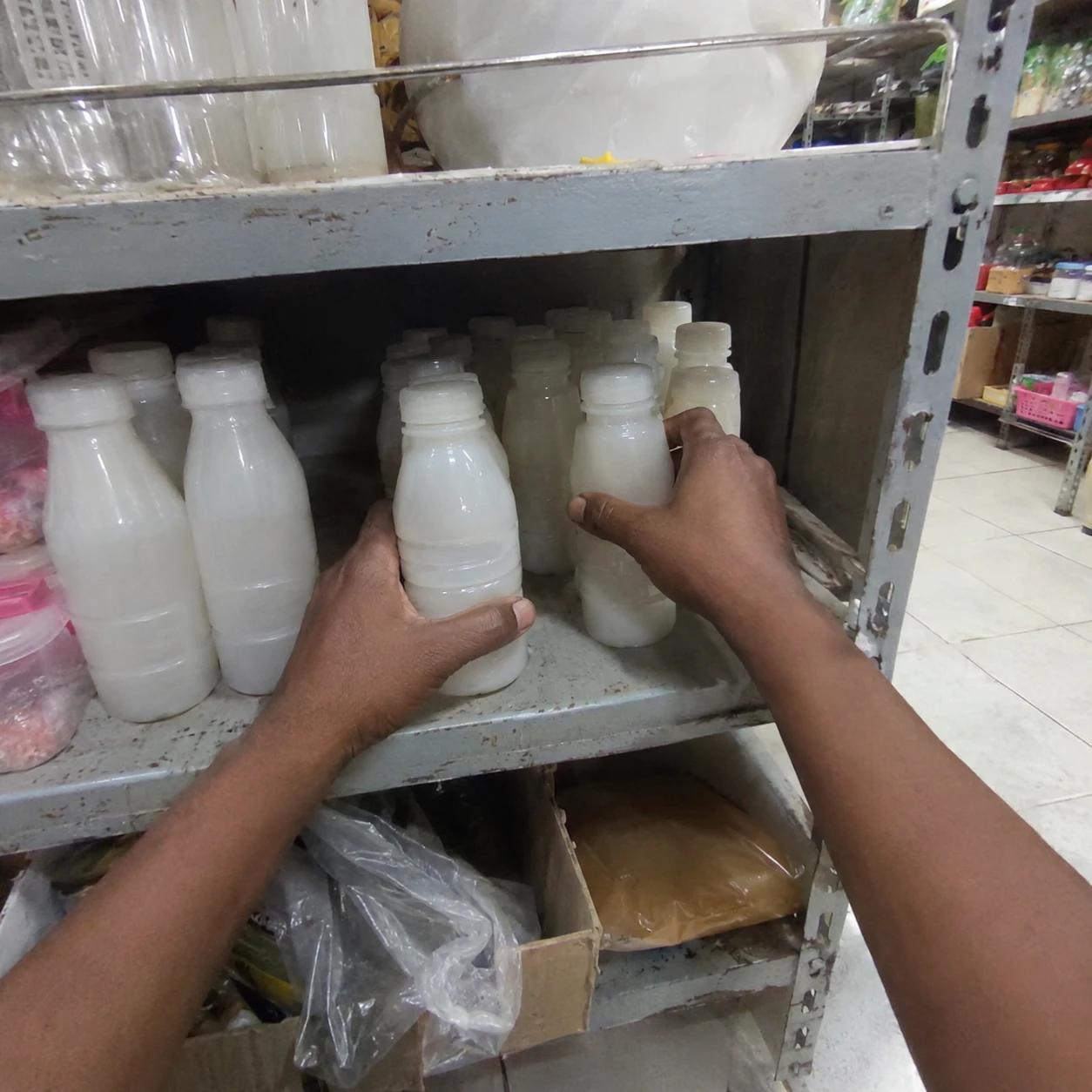
Shelf height, package shape and how full the display is all change the movement. The catalog lists the variations to capture alongside the individual hand actions.
The fleet learning loop
Avala runs five stages. You train the model with your own code and compute, and you decide when it ships. One record links every stage, so any result traces back to the data behind it.
See what your fleet did. Recordings arrive with their device, event and alert context, and you can open any sequence in its scene.
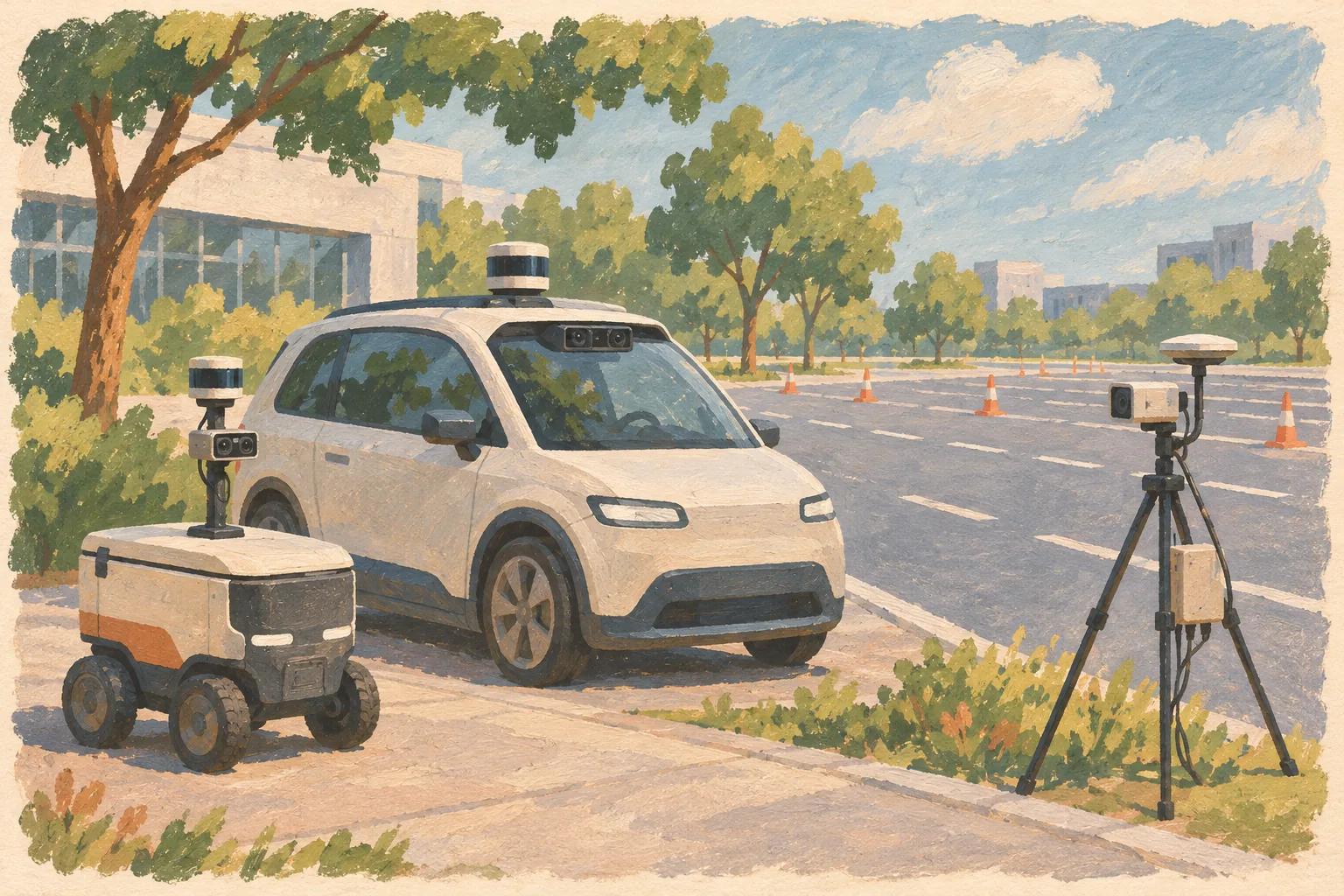
Find where the model fails and why. Avala groups failures, checks them for overlap and maps them to the coverage cells your data is missing.

Score the current model on held-out real-world scenes before anything changes, so every later result has a baseline.
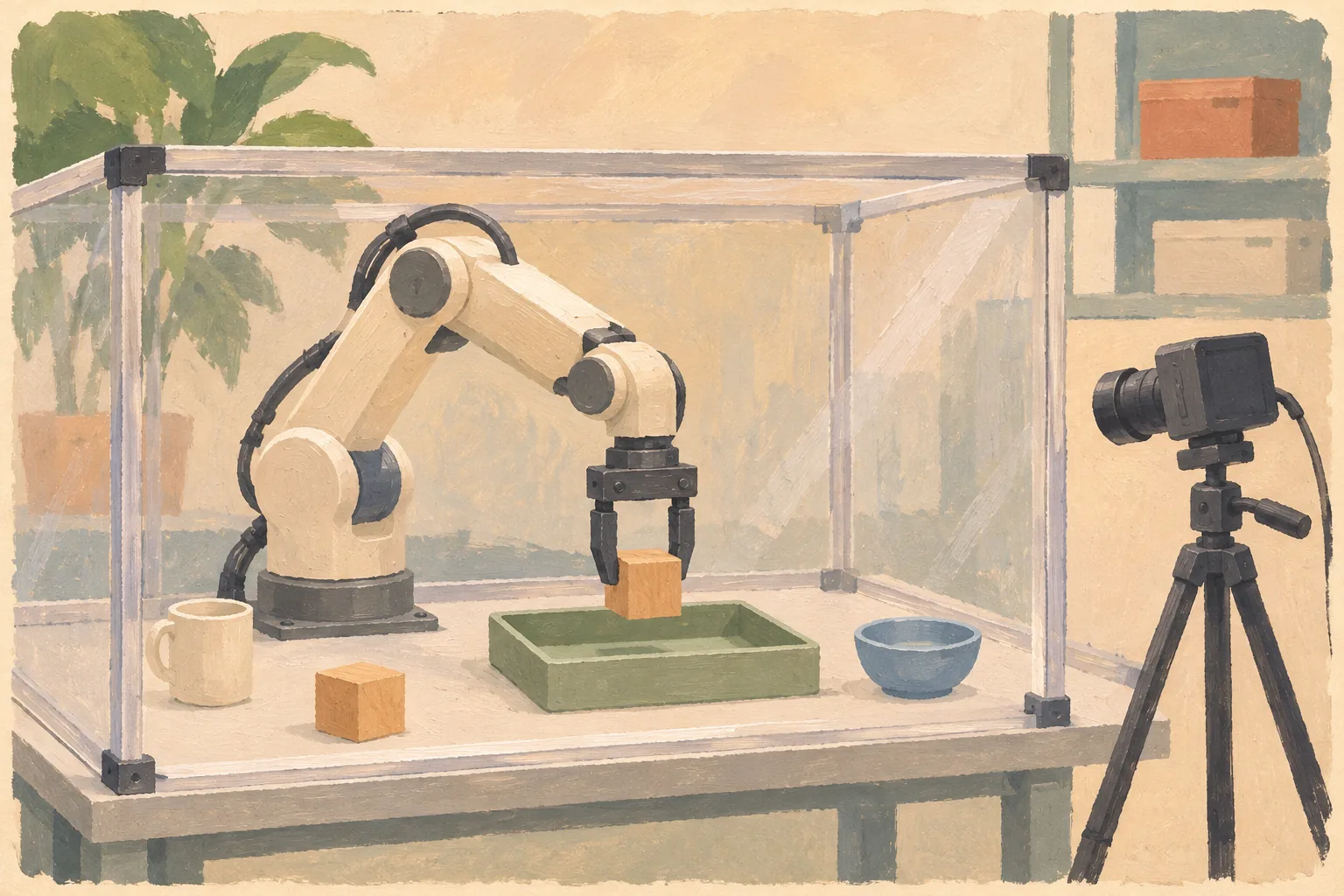
Turn the gap into a capture campaign. An approved brief names the tasks, places, objects and sequence counts, and the coverage standard sets the bar.

You train on the new dataset release with your own code and compute. Avala keeps the lineage from sequence to release.

Avala scores the new model on the same held-out cohort and reports both versions side by side, with confidence intervals.
You decide when the model ships. The data behind it is a versioned release with its slices, exports and full lineage.

After Release, the loop returns to Observe with the fleet running the new model.
Permissions and audit trails apply at every stage. Security
Python, TypeScript, the public REST API, and hosted MCP share the same Avala data model.
IntegrationsSync and async clients, cursor pagination, typed models, and explicit errors.
DocumentationTyped resource clients with zero runtime dependencies and formal support for Node.js 18+.
DocumentationConnect compatible AI tools to permission-scoped dataset and operations context.
DocumentationScope labeling or collection around your sensors, tasks and acceptance criteria. Review the required signals and export format before expanding a program.Robotics
Avala connects synchronized camera, LiDAR, radar, and IMU data with curation, human and AI review, quality control, and versioned releases. Autonomy teams can move from road event to training input with lineage intact.Automotive & autonomy
Pair camera, LiDAR, GNSS and IMU recordings with operator events to label headland turns and manual takeovers.Agriculture
Permissions and audit trails apply at every stage. Review data handling, access controls and deployment requirements for your program. Use the Trust Center to check current assurance documentation and discuss the scope with our team.
SecurityEmployees use multifactor authentication and an encrypted connection to access production systems remotely.
Avala encrypts sensitive customer data at rest. Access to encryption keys is restricted to people who need it for their work.
You own your data. Choose the export format and delivery method for your datasets and annotations when you scope your program.
Avala follows documented retention and disposal procedures. When a customer leaves, Avala removes confidential customer data from the application environment.

An automotive OEM asked us to fix labels. The real fault was the pipeline: label the world, not the frame, and pilots become infrastructure.
Read more
Hours and label counts overstate robot data diversity. Count accepted data, subtract repeats, record capture axes, and let the buyer's test decide what matters.
Read more
Embedded engineers can connect robotics data, evaluation and collection. The lasting value is context captured in tests, contracts and shared records.
Read moreUse Avala with your own team, add managed capacity where judgment or throughput is constrained, or combine both without changing the system of record.
Inspect recordings, review labels and export datasets with Mission Control, the APIs and SDKs.
DevelopersAdd trained capacity for collection, labeling, and review while workflow, policy, and quality remain visible in Avala.
Defensible ground truthKeep domain decisions with your experts and scale repeatable work through Avala without another handoff.
PricingScope one modality mix, one dataset release, and the acceptance criteria that prove it is useful.
Run ingest, curation, human + AI labeling, QC, versioning, and export as one repeatable system.
Standardize how sensor data is governed, released, and connected to training across the organization.
Yes. The first-release path covers one model objective, a bounded dataset release, and agreed acceptance criteria before you expand.
Avala supports labels for camera images, video and point clouds across sequences. For metric depth, inspect the native MCAP recording. ROS bag import depends on the message type and image encoding.
Labeling runs with human review and traceable quality-control states. The annotation pages describe the review path for camera, LiDAR, and telemetry.
Yes. You can commission labeling for existing recordings, request new demonstrations or ask about access to a dataset. Each can be scoped separately.
No. Mission Control is the platform and system of record. You can add managed collection, labeling, and QC capacity when your team needs execution support.
Physical AI programs vary by modality, volume, workflow, infrastructure, and operations. Avala turns those inputs into an explicit scope instead of hiding them behind an arbitrary seat tier.
Bring a representative recording, an output schema and acceptance criteria. Check integration, review quality and export before expanding the program.
Book a Demo