

Data partners
Become a data partner.
Avala buys real-world data for Physical AI against a written brief. Partners are paid per accepted hour, keep or license their rights on stated terms, and have provenance recorded at ingest. One partner's data is never pooled with another customer's.

What does the work look like at your site?
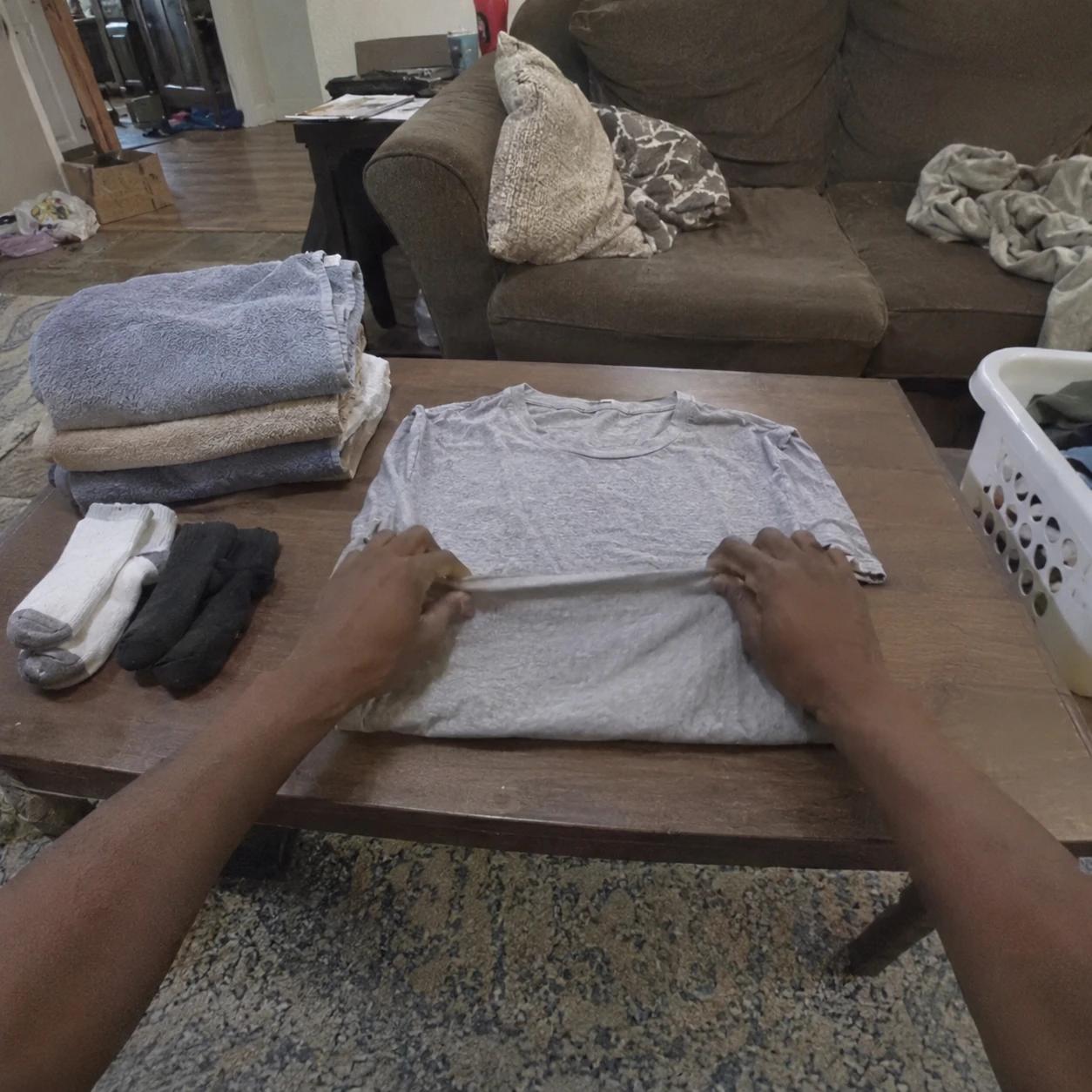
At home
Folding a shirt looks different on a bed and on a narrow laundry counter. Describe the space, the objects and what the camera can see.
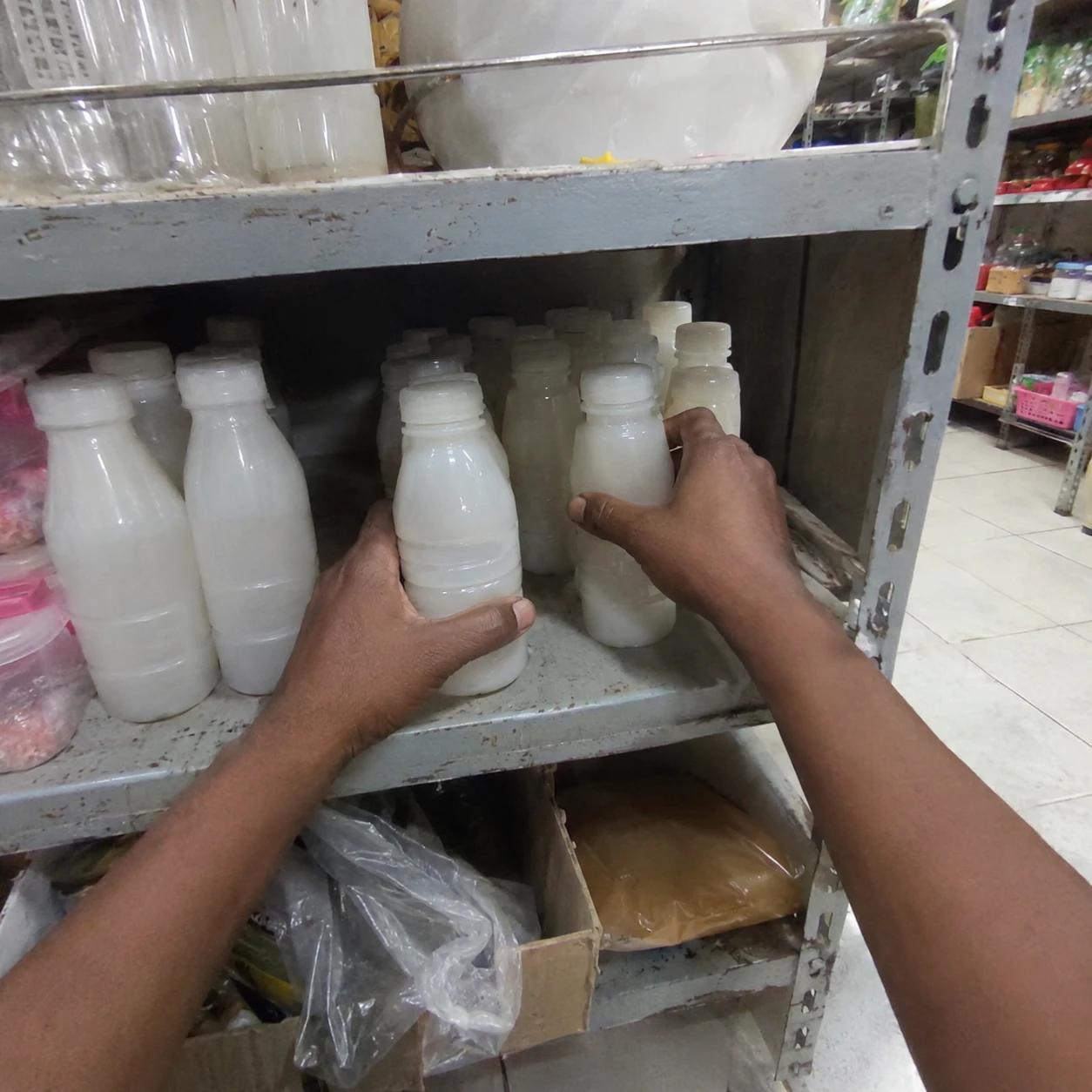
In a business
Restocking a shelf can involve a full carton or a handful of items. Tell us which routine your team could record and who can approve filming.
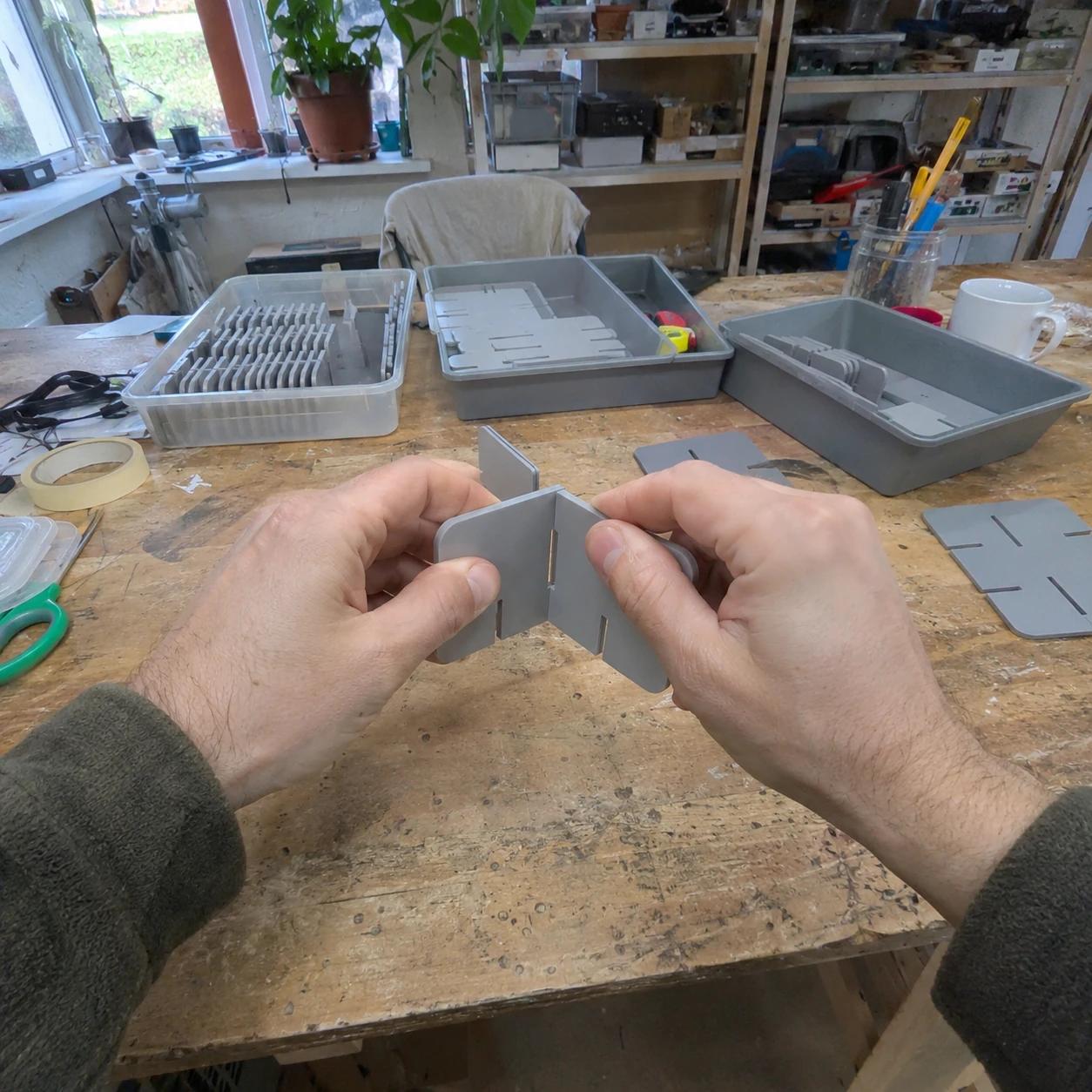
On the workshop floor
For an assembly task, identify the parts, tools and steps an operator uses. Agree on safe camera placement and site permissions before recording.
Planning a collection for a robotics lab?Scope a collection program
Who qualifies
Start with what you can supply.
If your organization can supply existing recordings or arrange new collection, describe one representative task. Include the setting, who can authorize recording and any limits on how the data may be used.
Who qualifies
Teams that already produce real-world data.
Fleets, studios, capture teams, and data vendors can supply against a brief. Fit depends on the tasks, settings, equipment, and rights a program requires.
Robot fleets and operators
Deployed robots whose runs, failures and recoveries can be recorded with consent.
Teleoperation centers
Operators driving robots remotely, with robot state and camera streams logged per sequence.
Capture studios
Studios that stage tasks in real homes, workplaces and outdoor settings.
Motion-capture studios
Marker or markerless capture of human motion with time-aligned video.
Egocentric capture teams
Head-mounted or body-worn rigs recording people doing real tasks.
Sensor-rig builders
Custom rigs with calibrated cameras, depth, IMU or LiDAR.
Existing data vendors
Vendors with libraries or capture capacity that can be matched to a brief.
What a partner gets
Paid per accepted hour, on written terms.
Payment per accepted hour
Every brief states the rate and the acceptance criteria before capture starts. Hours that pass acceptance are paid.
Rights retained or licensed
You keep your rights or license them on the terms written in the brief. Nothing is transferred by default.
Provenance recorded at ingest
Device, calibration, collector and consent are recorded on every sequence the moment it arrives.
Never pooled
Your data is delivered to the customer whose brief it answers. It is never pooled with another customer's data.
How it runs
Five steps, from the brief to payment.
The same five parts as a coverage program, seen from the supply side.
The brief
You receive a written brief: tasks, settings, objects, sequence counts, acceptance criteria and the rate per accepted hour.
Coverage cells and capture configuration
The brief maps to coverage cells, each a task in a setting with a target count, and fixes your capture mode, rig, sensors and calibration.
Quality control
Each delivery is checked for sync, calibration, overlap and consent, and scored against the brief cell by cell.
Acceptance
Sequences that pass are accepted and counted in hours. Sequences that fail come back with the reason.
Payment
Accepted hours are paid at the rate in the brief, on the schedule it states.
The quality bar
Accepted means it passed the standard.
Deliveries are measured against Avala's data diversity standard: concentration limits per collector and setting, overlap checks within and across deliveries, and provenance and consent on every sequence. The coverage report shows what was accepted against the brief.

Domains
Four kinds of capture we buy today.
- Egocentric capture
- Robot teleoperation
- Field operations
- Custom sensor rigs
Start
Tell us what you capture.
Tell us what you can record, where, with which equipment, and what rights you hold. Discuss fit before committing to capture or buying equipment.